
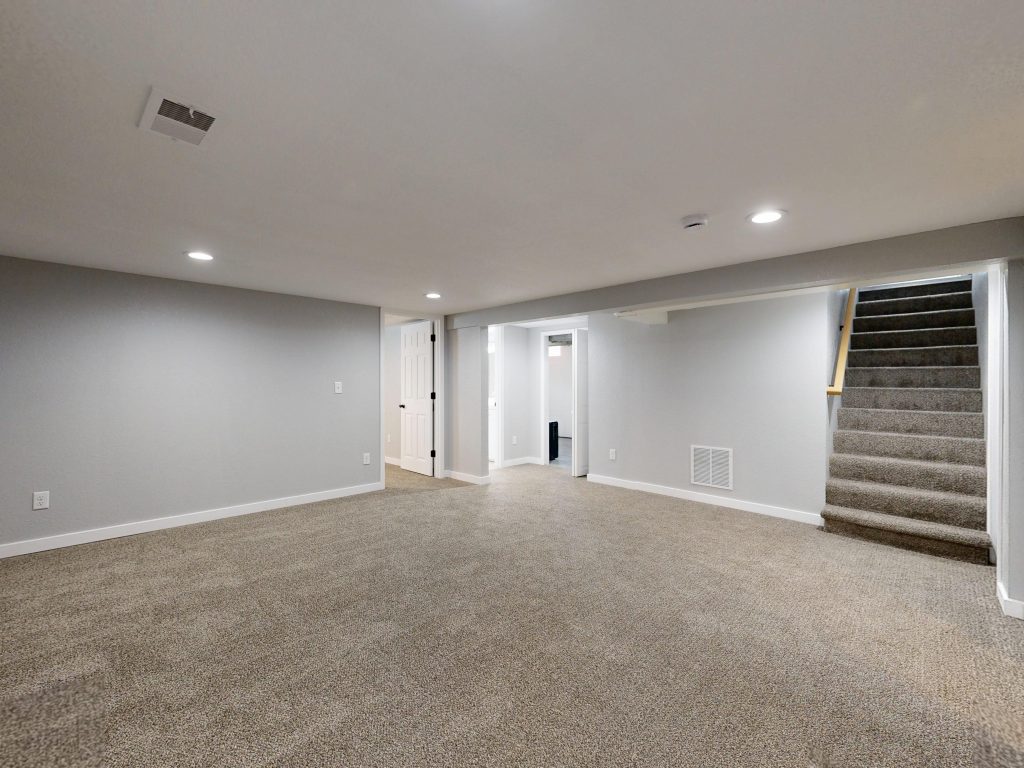
If you are running out of usable space in your home, finishing the basement can be an appealing way to add another functional living area without building an addition. Before investing in the project, however, it is important to understand the basement finishing cost and determine whether the improvements will provide enough value for your household. A finished basement can become a family room, home office, guest suite, entertainment area, gym, or playroom. The return on that investment depends on your home’s condition, the quality of the renovation, your local housing market, and how effectively the space is designed.
What Does It Cost to Finish a Basement?
Basement finishing costs vary widely because no two basements have the same requirements. Size, ceiling height, moisture conditions, electrical needs, plumbing, insulation, flooring, walls, lighting, and the intended use of the space can all affect the final price.
As a broad planning range, homeowners can expect a basement finishing project to cost approximately $30,000 to $75,000, while larger or more complex renovations can exceed $100,000. A simple basement conversion with limited plumbing and electrical work will generally cost less than a finished basement with a bathroom, kitchenette, multiple rooms, custom built-ins, or a legal bedroom.
The best way to establish an accurate budget is to have the existing basement evaluated and obtain a detailed estimate based on the actual scope of work.
Common Basement Finishing Expenses
Your budget may include:
- Framing and drywall
- Insulation
- Electrical wiring and outlets
- Lighting
- Flooring
- Ceiling installation
- HVAC modifications
- Plumbing
- Bathroom construction
- Doors and trim
- Painting
- Egress windows or doors
- Moisture protection
- Waterproofing or drainage improvements
- Permits and inspections
The more infrastructure your basement needs before finishing can begin, the greater the overall investment may be.
When Is Finishing a Basement Worth It?
For many homeowners, the answer is yes, particularly when the basement is currently unfinished and underused. Instead of moving to a larger house, finishing the basement can allow you to make better use of the square footage you already own.
However, financial return should not be the only consideration. A basement renovation can provide value in several ways.
1. You Gain Usable Living Space
An unfinished basement often becomes a storage area filled with boxes, seasonal decorations, equipment, and miscellaneous household items. Finishing the space gives you an opportunity to create an organized area that serves a specific purpose.
Depending on your family’s needs, that could mean:
- A comfortable family room
- A dedicated home office
- A children’s playroom
- A home gym
A movie or entertainment room - A guest area
- A hobby or craft space
The value comes from turning previously underused square footage into space your household actually enjoys.
2. You May Improve Your Home's Resale Appeal
A finished basement can make a home more attractive to potential buyers, especially when the renovation is professionally completed and the space feels like a natural extension of the house.
However, homeowners should distinguish between usable finished space and legally recognized living area. Depending on local building regulations, a basement may need specific ceiling heights, emergency egress, heating, insulation, electrical work, or other requirements before it qualifies as certain types of habitable space.
For this reason, it is important to check local requirements before assuming that every finished basement will add the same amount of value to a home’s appraised or resale value.
What Can Reduce Your Basement Finishing Cost?
A well-planned project does not necessarily require the most expensive materials. Smart decisions about layout and scope can help keep costs under control.
Keep Plumbing Locations Where They Are
If your basement already has rough-ins for a bathroom or utility sink, designing around those locations can reduce the amount of plumbing work required.
Moving plumbing fixtures can involve additional demolition, drainage work, venting, and labor. If a bathroom is part of your plan, ask your contractor to determine whether existing rough-ins can be incorporated into the design.
Choose a Practical Layout
Creating several small rooms may require more framing, drywall, doors, electrical work, and finishing materials. An open layout can sometimes provide greater flexibility while reducing unnecessary construction.
Think about how you will actually use the basement before deciding where walls should go.
Address Moisture Before Finishing
One of the most important basement remodeling rules is simple: do not cover a moisture problem with finished materials.
Before installing drywall, flooring, or insulation, check for:
- Water intrusion
- Foundation cracks
- Condensation
- Poor drainage
- Plumbing leaks
- Damp odors
- Mold or mildew
- Inadequate exterior drainage
A finished basement can conceal problems that become significantly more expensive to repair later. Moisture management should be part of the project from the beginning.
Should You Add a Basement Bathroom?
A basement bathroom can significantly improve the functionality of the finished space. It can be especially useful if the basement becomes a guest area, entertainment room, home gym, or bedroom.
The cost, however, can be substantial if plumbing infrastructure is not already available. A bathroom may require water supply lines, drain lines, ventilation, electrical work, fixtures, waterproofing, and appropriate permits.
If your basement has existing plumbing rough-ins, incorporating a bathroom during the finishing project may be more practical than adding one later.
Does a Finished Basement Increase Home Value?
A finished basement can contribute to a home’s overall appeal and marketability, but the amount of value added varies by property and location.
The 2025 Cost vs. Value Report from Remodeling magazine evaluates the cost and resale value of several remodeling projects across different U.S. markets. Its findings illustrate an important point for homeowners: remodeling projects do not automatically return their full cost at resale, and returns can vary considerably by project type and market.
For a basement specifically, the financial outcome depends on factors such as the quality of the work, comparable homes in the neighborhood, local buyer preferences, and whether the finished area meets applicable requirements for habitable space.
That means you should not renovate solely because you expect to recover every dollar. Consider the lifestyle value you will receive while you own the home as well.
When Might Finishing Your Basement Not Be Worth It?
Basement finishing is not always the right investment.
You may want to reconsider the project if:
- The basement has ongoing water problems.
- The foundation requires significant repairs.
- Ceiling height is severely limited.
- The space has persistent moisture or drainage issues.
- Major structural work is necessary.
- You are planning to sell very soon and the renovation would be difficult to recover.
- The renovation would push your home’s value significantly beyond comparable properties nearby.
In these situations, resolving structural or moisture issues may be a better first investment than immediately adding cosmetic finishes.
How to Get the Most Value From a Finished Basement
If you decide to move forward, focus on quality, functionality, and long-term durability.
Prioritize the Building Envelope
Make sure water management, insulation, ventilation, and temperature control are properly addressed before concentrating on finishes.
Plan Electrical and Lighting Carefully
Basements can feel dark and enclosed without adequate lighting. A combination of recessed fixtures, task lighting, wall lighting, and natural light where available can make the space feel much more comfortable.
Select Durable Materials
Basements experience different environmental conditions from above-grade rooms. Flooring and other materials should be selected with moisture and durability in mind.
Design for Multiple Uses
A flexible basement can remain useful as your household changes. An open recreation area can potentially serve as a family room today and a home office, guest area, or hobby space later.
Ready to Finish Your Basement?
Finishing your basement can be a practical way to create additional living space while making better use of your home. Whether you envision a family room, home office, entertainment area, guest space, or another functional addition, thoughtful planning can help maximize the available square footage. A professional remodeling team can evaluate your basement, identify potential challenges, and help you make decisions that align with your goals and budget. With the right approach, your unfinished basement can become a comfortable and valuable part of your home for years to come.
Ready to turn your basement into a space you can enjoy? Contact Precision Kitchen and Bath to discuss your basement finishing project and explore the possibilities for your home. Get started with a professional remodeling plan designed around your needs, preferences, and budget.