
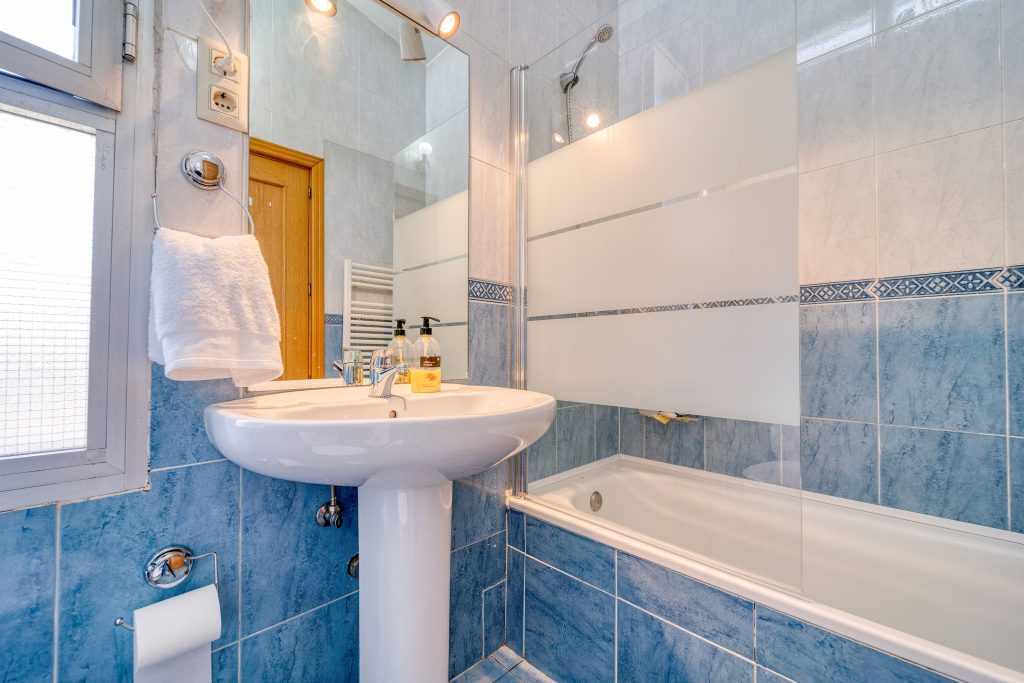
A bathtub can be useful for soaking and bathing children, but it may not be the most convenient option for every household. If your bathroom feels cramped, your tub rarely gets used, or stepping over the tub wall has become inconvenient, a bathtub to shower conversion may be a practical way to improve the space. This type of bathroom remodeling project can create a more accessible bathing area, simplify daily routines, and give your bathroom a more modern appearance. Before making the change, however, it is important to consider your household’s needs, available space, budget, and long-term plans.
What Is a Bathtub to Shower Conversion?
A bathtub to shower conversion involves removing an existing bathtub and replacing it with a dedicated shower area. Depending on the bathroom’s layout and your preferences, the new shower may include a prefabricated base, custom tile walls, glass doors, built-in shelving, or accessibility features.
Some conversions use the bathtub’s existing footprint, while others involve adjusting the surrounding walls or plumbing to accommodate a different design. Keeping the new shower near the existing plumbing connections can help simplify the installation, although the actual requirements depend on the condition and configuration of the bathroom.
A professional assessment can help determine which conversion options are suitable for your space.
6 Benefits of Converting Your Bathtub Into a Shower
Replacing a bathtub with a shower can offer several practical advantages, particularly when the existing bathroom no longer supports your daily routine.
1. Improve Bathroom Accessibility
One of the main reasons homeowners consider a bathtub to shower conversion is easier entry and exit. Traditional bathtubs have raised sides that require users to lift their legs over the edge, which can be difficult for people with limited mobility or balance concerns.
A properly designed shower can reduce this obstacle through a low-threshold or curbless entry, depending on the bathroom’s structure and drainage requirements.
Additional accessibility features may include:
- Grab bars installed with appropriate structural support
- Built-in or fold-down shower seating
- Handheld showerheads
- Slip-resistant flooring
- Easy-to-reach shower controls
These features can make everyday bathing more manageable. However, a low-threshold shower is not automatically barrier-free, so the design should reflect the user’s specific mobility needs.
2. Make Better Use of Bathroom Space
In a smaller bathroom, a bathtub can occupy a substantial portion of the available floor area. Replacing it with a thoughtfully designed shower may create a more open appearance and improve movement around the room.
Glass shower enclosures can help maintain visual openness, while recessed niches provide storage without requiring bulky shelves.
The conversion will not necessarily increase the bathroom’s actual square footage. Instead, it can make the existing space feel less crowded and function more efficiently.
3. Simplify Daily Cleaning
Bathtubs and their surrounding surfaces can accumulate soap residue, mineral deposits, and grime. Cleaning the tub interior may also require bending or reaching into awkward areas.
A well-designed shower can simplify maintenance through smooth wall panels, appropriately selected tile, accessible corners, and durable fixtures.
The amount of upkeep depends on the materials chosen. For example, tile showers require attention to grout and sealant where applicable, while some solid-surface panels have fewer joints to clean. Good ventilation and regular maintenance also help reduce moisture-related problems.
4. Create a More Modern Bathroom Design
A bathtub to shower conversion provides an opportunity to update the bathroom’s appearance without necessarily remodeling every component.
Homeowners can choose from several design options, including:
- Contemporary glass enclosures
- Large-format wall tiles
- Neutral or natural-inspired finishes
- Recessed shower niches
- Modern shower fixtures
- Coordinated flooring and wall materials
The right combination can make the bathroom feel more cohesive and complement the home’s overall design.
5. Customize the Shower to Your Routine
A shower can be designed around how you use the bathroom every day. If you prefer quick showers before work, convenient controls and accessible storage may be priorities. If comfort is more important, you might consider a handheld showerhead, a bench, or multiple shower spray options.
You can also select the enclosure style, wall materials, shelving, and fixtures to suit your preferences.
Planning these details before installation helps ensure the finished shower provides practical benefits rather than simply changing the bathroom’s appearance.
6. Potentially Improve Your Home's Appeal
A modern, well-maintained bathroom can contribute to a home’s overall appeal. Some buyers appreciate walk-in showers, particularly when they are spacious, attractive, and easy to access.
However, removing a bathtub does not guarantee a higher resale value. Buyer preferences vary, and some households specifically want a tub for bathing children or soaking.
If your home has only one full bathroom, retaining at least one bathtub may help preserve flexibility for future occupants. Consider the needs of your household and the expectations of buyers in your local market before removing your only tub.
What Should You Consider Before Removing Your Bathtub?
Although the conversion offers several advantages, it is important to evaluate the potential drawbacks before beginning construction.
Your Household's Bathing Needs
Consider whether anyone in your household regularly uses the bathtub. Families with young children may find a tub particularly useful, while homeowners who prefer showers may benefit more from a dedicated shower area.
Think about your current routines and how your needs might change in the coming years.
Plumbing and Drainage Requirements
The existing bathtub drain may not be suitable for the new shower without modifications. A shower can require different drainage arrangements, waterproofing details, and floor preparation.
If the conversion involves moving plumbing fixtures, the project may require additional labor and materials. A contractor should inspect the existing plumbing and determine whether the proposed layout can be installed properly.
Waterproofing and Ventilation
Water management is essential to a durable shower installation. Walls, floors, transitions, and penetrations around fixtures must be protected using an appropriate waterproofing system.
Poor installation can lead to concealed leaks, damaged materials, and costly repairs. Adequate bathroom ventilation is also important because showers introduce moisture into the room.
A qualified remodeling professional can help ensure that waterproofing, drainage, and ventilation are addressed as part of the project.
How Much Does a Bathtub to Shower Conversion Cost?
The cost of a bathtub to shower conversion depends on the size of the shower, materials, labor, plumbing modifications, and the condition of the existing bathroom.
A straightforward conversion using a prefabricated shower base and wall system may cost less than a custom-tiled shower with frameless glass, built-in seating, premium fixtures, and specialized accessibility features.
Additional expenses may include:
- Bathtub removal and disposal
- Plumbing adjustments
- Drainage modifications
- Waterproofing
- Wall and floor repairs
- Shower doors or glass panels
- New fixtures and accessories
- Permits, where required
The most reliable way to establish a budget is to obtain a detailed estimate based on your bathroom’s existing conditions and preferred design. Ask the contractor to explain what is included and whether unexpected repairs could affect the final price.
How to Prepare for a Successful Conversion
Careful planning can help you avoid unnecessary expenses and achieve a shower that works well for your household.
Start by measuring the available space and identifying the features you want to include. Decide whether accessibility, easier maintenance, visual appeal, or storage is your primary goal.
Next, choose materials that balance appearance, durability, and maintenance requirements. Review the shower’s entry, door clearance, fixture placement, and storage locations before finalizing the design.
Finally, work with a qualified remodeling professional who can evaluate the plumbing, prepare the installation area, and coordinate the necessary construction work. Confirm local permit requirements before the project begins.
Is a Bathtub to Shower Conversion Right for You?
Converting a bathtub into a shower can be a practical choice when your current bathroom no longer meets your needs. The project can improve accessibility, simplify cleaning, make better use of the existing layout, and introduce a more contemporary design.
The decision ultimately depends on your household’s bathing habits, available budget, bathroom configuration, and long-term plans. Weighing these factors before construction begins can help you determine whether a conversion will provide lasting benefits.
Ready to update your bathroom? Contact Precision Kitchen & Bath to discuss your bathroom remodeling goals and explore a bathtub to shower conversion that fits your space, preferences, and budget. With thoughtful planning and quality workmanship, you can create a bathroom that feels more comfortable, functional, and suited to everyday living.