
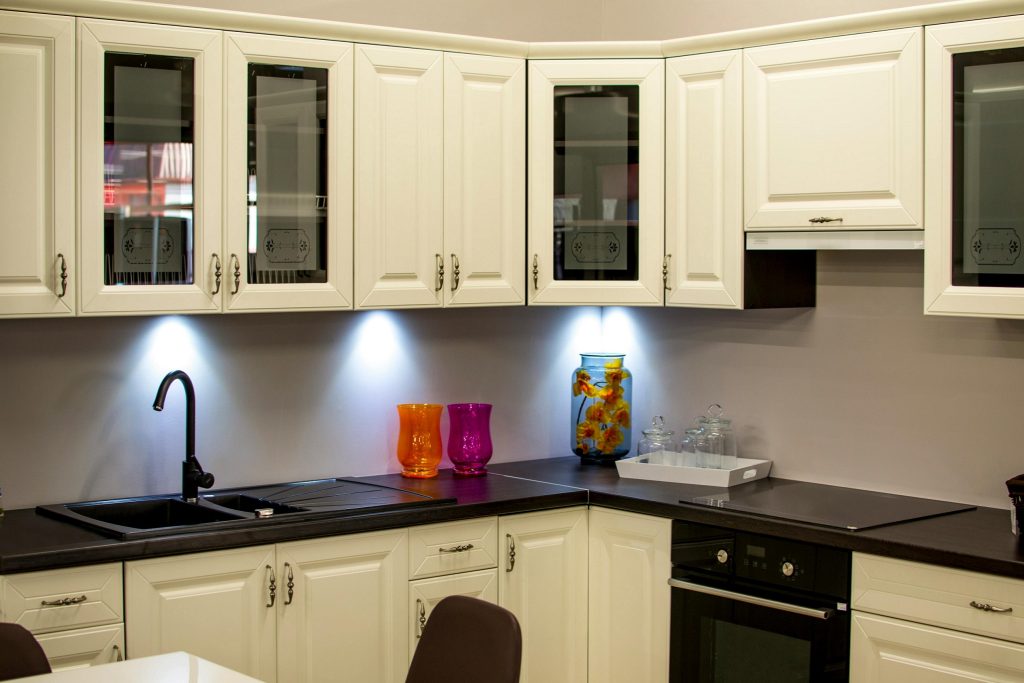
Kitchen cabinets play an important role in your kitchen’s appearance, storage capacity, and everyday functionality. Over time, worn finishes, damaged doors, outdated designs, and storage limitations can make an otherwise usable kitchen feel less practical. Knowing when kitchen cabinet replacement is necessary can help you decide whether to repair, refinish, reface, or completely replace your existing cabinetry. By evaluating the condition of your cabinets and considering your long-term remodeling goals, you can make a more informed decision about your kitchen renovation.
7 Signs It Is Time to Replace Your Kitchen Cabinets
Not every cabinet problem requires a complete replacement. However, certain signs indicate that repairs may no longer provide a reliable or cost-effective solution.
1. Your Cabinets Have Structural Damage
Cabinet boxes provide the foundation for your kitchen storage. If they have warped, cracked, sagged, or become unstable, replacing them may be more practical than attempting repeated repairs.
Pay attention to loose shelving, detached cabinet bottoms, failing joints, and doors that no longer align properly. These problems can indicate deterioration that affects the cabinet’s strength and ability to support everyday use.
Water damage deserves particular attention. Cabinets beneath sinks and around dishwashers are especially vulnerable to leaks. Swollen particleboard, persistent dampness, or crumbling cabinet material may indicate damage that cannot be corrected with surface repairs alone.
Before installing new cabinets, address the source of any moisture to help protect your replacement cabinetry.
2. Your Cabinets No Longer Meet Your Storage Needs
A kitchen should support your cooking habits and household routines. If your cabinets are difficult to organize, lack sufficient storage, or make everyday items hard to reach, replacement may provide an opportunity to improve the entire layout.
Modern cabinetry offers several practical options, including:
- Deep drawers for pots and pans
- Pull-out shelves for easier access
- Built-in organizers for utensils and cookware
- Dedicated pantry storage
- Corner cabinet solutions
- Vertical dividers for baking sheets and cutting boards
A kitchen remodeling project allows you to reconsider how storage is distributed throughout the room. Instead of simply replacing existing cabinets with similar units, you can create a more functional arrangement tailored to your needs.
3. Your Cabinet Doors and Finishes Are Heavily Worn
Cabinet doors experience frequent handling, exposure to grease, and regular cleaning. Over time, finishes can fade, peel, discolor, or develop scratches that are difficult to conceal.
If the cabinet boxes remain sturdy and the damage is limited to the exterior, refinishing or refacing may be sufficient. However, replacement becomes more appealing when the doors are warped, the materials are deteriorating, or the existing finish cannot be restored to your satisfaction.
Replacing worn cabinetry can also provide an opportunity to update the kitchen’s overall appearance with a different door style, color, or finish.
4. Your Kitchen Layout Needs a Major Change
Sometimes, the problem is not the cabinets themselves but the way the kitchen is arranged. Poorly positioned storage, limited countertop space, or an awkward workflow can make meal preparation more difficult than necessary.
Replacing the cabinets can help accommodate a different layout, additional storage, or a more practical relationship between the sink, refrigerator, cooking area, and preparation surfaces.
Keep in mind that major layout changes may require additional plumbing, electrical, or construction work. Discuss these requirements with your remodeling contractor before establishing your budget.
5. Your Cabinets Are Difficult to Clean and Maintain
Cabinet materials and finishes influence how easily you can maintain a clean kitchen. Deep grooves, damaged laminate, peeling coatings, and deteriorating surfaces can trap grease and make routine cleaning frustrating.
If cleaning and minor repairs no longer restore the cabinets’ appearance, new cabinetry may offer a more manageable long-term solution.
When selecting replacements, consider durable finishes and materials suited to your household’s cooking habits. Proper ventilation and routine cleaning can also help extend the life of your new cabinets.
6. Your Cabinets Have an Outdated Design
Cabinet styles can influence the overall appearance of a kitchen more than many homeowners realize. Heavy decorative details, dated finishes, or a style that conflicts with your preferred design may make the room feel older than it needs to.
Replacing the cabinets allows you to explore different options, such as clean-lined doors, natural wood finishes, painted cabinetry, or a combination of complementary colors.
However, outdated styling alone does not necessarily justify replacement. If the cabinets are structurally sound and you like their layout, painting or refacing may achieve a similar visual improvement at a lower cost.
7. You Are Planning a Comprehensive Kitchen Remodel
If you are already planning to replace countertops, flooring, appliances, lighting, and other major kitchen components, it may be worth evaluating the cabinets as part of the same project.
Keeping old cabinets can make sense when they are in excellent condition. However, replacing them during a larger renovation may help create a cohesive design and reduce the likelihood of needing another disruptive project later.
A contractor can assess whether your current cabinetry should be retained, modified, or replaced based on the planned improvements.
Should You Replace, Reface, or Refinish Your Kitchen Cabinets?
Understanding the differences between these options can help you avoid spending more than necessary.
Cabinet Refinishing
Refinishing involves restoring the existing cabinet surfaces, typically by sanding and applying new paint or stain. It is often suitable when the cabinet boxes and doors are in good condition but need a cosmetic update.
Cabinet Refacing
Refacing generally involves replacing cabinet doors and drawer fronts while applying a new veneer or finish to the visible cabinet box surfaces. It can provide a substantially different appearance without removing all the existing cabinetry.
Refacing is most appropriate when the underlying cabinet boxes remain structurally sound and the existing layout works well.
Kitchen Cabinet Replacement
Replacement involves removing existing cabinets and installing new units. This option offers the greatest flexibility for changing the storage configuration, dimensions, materials, and overall kitchen design.
Although replacement often requires a larger investment, it may be the more practical choice when the existing cabinets are damaged, poorly designed, or unsuitable for your renovation plans.
How Much Does Kitchen Cabinet Replacement Cost?
The cost of replacing kitchen cabinets depends on the kitchen’s size, cabinet materials, construction quality, customization, hardware, and installation requirements.
Stock cabinets are generally more budget-friendly, while semi-custom and fully custom options can increase the overall investment. Additional expenses may include demolition, disposal, countertop removal and reinstallation, plumbing adjustments, electrical work, and repairs to walls or flooring.
To establish a realistic budget, request a detailed estimate that identifies the cabinetry, hardware, installation labor, and related construction work included in the price. Comparing estimates with the same project scope will help you evaluate your options more accurately.
How to Prepare for a Kitchen Cabinet Replacement Project
Planning ahead can help make the renovation more manageable and reduce unexpected expenses.
Before construction begins:
- Assess the existing cabinets. Identify structural damage, storage limitations, and cosmetic concerns.
- Establish your priorities. Decide whether appearance, storage, durability, or layout improvements matter most.
- Choose appropriate materials. Consider your budget, preferred style, cleaning requirements, and expected daily use.
- Confirm measurements. Verify cabinet dimensions, appliance clearances, countertop requirements, and door openings.
- Review the complete estimate. Confirm the scope of demolition, installation, finishing, and any necessary plumbing or electrical work.
- Plan for temporary kitchen limitations. Arrange alternative meal preparation and storage while the renovation is underway.
Working with an experienced remodeling professional can help you coordinate these decisions and ensure the replacement cabinets fit your kitchen properly.
Make the Right Decision for Your Kitchen
Knowing when to replace your kitchen cabinets starts with evaluating their condition, functionality, and suitability for your long-term needs. Damaged cabinet boxes, persistent moisture problems, inadequate storage, and major layout limitations may justify replacement, while minor cosmetic issues can often be addressed through refinishing or refacing.
The best choice depends on the condition of your existing cabinetry, your remodeling budget, and the improvements you want to achieve. A careful assessment can help you invest in the right solution rather than replacing cabinets that still have useful life remaining.
Ready to update your kitchen? Contact Precision Kitchen & Bath to discuss your kitchen remodeling goals and explore cabinet replacement options that suit your home’s design, storage needs, and budget. With thoughtful planning and quality craftsmanship, you can create a kitchen that is attractive, functional, and built for everyday living.